How Long Does a Ceramic Coating Last? (And the Mistakes That Ruin It)
July 24, 2026
How Long Does a Ceramic Coating Last? (And the Mistakes That Ruin It)
Written by Jay Bridges, a Detailing and PPF Specialist with over 15 years of experience
When people invest in a professional ceramic coating, one of the first questions they ask is:
"How long will it actually last?"
The answer isn't as straightforward as a number on a bottle.
The lifespan of a car ceramic coating depends on several factors, including the quality of the product, how the vehicle was prepared before application, where it is stored and, perhaps most importantly, how it is maintained afterwards.
A professionally applied ceramic coating can protect your vehicle for several years, but poor washing techniques and neglect can significantly reduce its performance.
In this guide, we'll explain what you can realistically expect, what shortens a coating's life and how to get the most from your investment.
If you're new to ceramic coatings, our complete Ceramic Coating Guideexplains how ceramic coatings work and what they protect against.
Typical lifespan by coating type
Not all ceramic coatings are the same.
Different products offer different levels of durability, and the advertised lifespan often assumes ideal maintenance rather than real-world driving.
As a general guide:
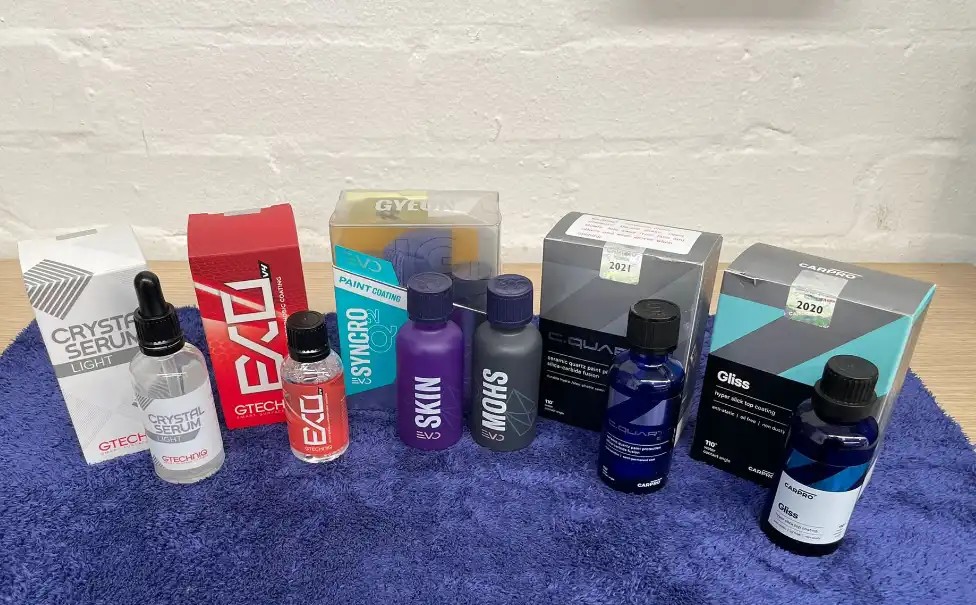
Spray ceramic coatings (EG Gyeon Can Coat)
Around 6-12 months
These are quick to apply and can improve gloss and water behaviour, but they require regular reapplication.
DIY coatings generally provide longer protection than waxes or sealants but are more dependent on careful application and preperation.
Professional ceramic coatings (EG Labocosmetica HPC Pro)
Typically 2-5 years
Professionally installed coatings are usually applied after extensive preparation and paint correction, allowing the coating to bond properly with the paintwork.
Although some manufacturers advertise coatings lasting 7, 8 or even 10 years, those figures rarely reflect how a daily driven vehicle is used in the UK.
Exposure to road salt, harsh weather, UV rays and regular washing all affect the ceramic coating lifespan. You can learn more about that here
The Top 7 Things That Shorten A Ceramic Coating's Durability
A ceramic coating is durable, but it isn't indestructible.
These are the most common reasons coatings fail prematurely.
1. Brush/Automatic car washes
This is probably the biggest culprit.
The brushes can introduce swirl marks while aggressive chemicals gradually reduce the coating's hydrophobic properties.
2. Cheap Roadside "Hand Car Washes"
A very common sight for many of us, these high-volume car washes use heavy chemicals, acids and poor quality methods. Old wash mitts dropped on the floor, water blades to dry, etc.
This causes sometimes permanent damage to your vehicle and trims.
3. Poor washing technique
Using dirty wash mitts, washing in circles or allowing dirt to be dragged across the paint increases the risk of marring.
Although the coating remains underneath, its appearance suffers.
4. Strong cleaning chemicals
Traffic film removers, acidic wheel cleaners and highly alkaline detergents all have their place, but repeated use across the whole vehicle can reduce coating performance over time.
5. Bird droppings, tree sap and other organic contamination
A ceramic coating offers chemical resistance, not complete immunity.
Leaving contaminants such as tar, iron and bird poo sitting on the paint for days or weeks can still cause staining and a reduction in coating performance
Removing them promptly helps preserve both the coating and the paint beneath.
6. Skipping regular maintenance
Many people assume that once a vehicle has been ceramic coated, it no longer needs looking after.
In reality, regular washing is one of the biggest factors in maximising the lifespan of any ceramic paint protection.
Regular washing every 1-4 weeks, depending on usage, is recommended where possible especially in changeable weather conditions.
7. Poor preparation before installation
A coating is only as good as the surface beneath it.
If contamination isn't removed properly or the paint isn't correctly prepared before coating a car, durability and appearance can both suffer.
How to wash a ceramic-coated car properly
One of the biggest advantages of a ceramic coating is that washing becomes much easier.
Less dirt bonds to the paint, meaning less effort is needed to achieve a clean finish.
To keep your coating performing well:
Pre-rinse the vehicle thoroughly.
Use a pH-neutral shampoo.
Wash using a quality microfibre wash mitt.
Work from the top of the vehicle downwards.
Rinse frequently.
Dry using a clean microfibre drying towel or air dryer.
Avoid household detergents and unnecessary abrasion.
A ceramic coating makes washing easier, but it doesn't eliminate the need for safe washing techniques.
We have a useful video guide to show you how to wash your car correctly.
The role of a maintenance wash
Even with careful home washing, contamination gradually builds up.
Mineral deposits, iron fallout and traffic film can all reduce the coating's hydrophobic behaviour.
This is why we recommend an occasional professional maintenance wash.
A maintenance wash safely removes bonded contamination, restores water behaviour and allows the coating to continue performing as intended.
Many coatings that appear to have "failed" simply need a proper decontamination rather than replacing altogether.
If you'd rather leave it to the professionals, our Safe Wash and Maintenance Clean service is specifically designed for vehicles with ceramic coatings and paint protection films.
Signs your ceramic coating needs topping up
A ceramic coating doesn't suddenly stop working overnight.
Performance usually declines gradually.
Signs that your coating may benefit from a maintenance treatment include:
Water no longer beads or sheets effectively.
The vehicle becomes noticeably harder to clean.
Road grime sticks more readily.
Gloss appears reduced after washing.
The paint feels rough despite being clean.
In many cases, a maintenance inspection, decontamination wash and ceramic topper are enough to restore much of the coating's performance.
It doesn't necessarily mean the coating has failed completely.
FAQ
How long does ceramic coating last on a daily driven car?
Most professionally installed coatings last between two and five years with correct maintenance. Vehicles kept outside all year generally require more maintenance than garage-kept cars.
Does washing remove ceramic coating?
Normal washing with suitable products will not remove a ceramic coating. Repeated use of harsh chemicals or abrasive methods can reduce its performance over time.
Can I pressure wash a ceramic-coated car?
Yes. Pressure washers are perfectly safe when used correctly. Avoid holding the lance extremely close to the paint or directing high pressure at damaged edges or trims.
Does ceramic coating need topping up?
Eventually, yes. Many coatings benefit from periodic maintenance products to restore hydrophobic performance and maximise their lifespan.
Is ceramic coating worth it?
For many owners, yes. It won't prevent stone chips or scratches, but it makes washing easier, improves gloss and provides long-term protection against everyday contamination.
Do you need a paint correction before applying a ceramic coating?
Technically, no - But it's an incredibly popular service to carry out to improve the finish of your vehicle. Paint correction removes swirls and other paint defects to give your paint a high gloss finish which is a perfect base to apply a ceramic coating.
A professional ceramic coating is one of the best investments you can make in your vehicle's appearance, but it isn't completely maintenance-free.
Safe washing, prompt removal of contaminants and occasional professional maintenance all play a part in achieving the longest possible ceramic coating lifespan.
If you're considering protecting your vehicle, visit our Ceramic Coating page to compare the different options we offer.
Already have a coated vehicle? Our Safe Wash and Maintenance Clean service is designed to keep your coating performing exactly as it should for years to come.
Related Cases
XPEL PPF Alternatives | Choosing the Right Paint Protection Film


.svg)