What Is Paint Correction? Swirl Removal, Stages and Costs
July 15, 2026
What is Paint Correction and Machine Polishing? Every Stage Explained!
Written by Jay Bridges, a Detailing and PPF Expert with over 15 years of experience, 15th July 2026
Paint correction is the process of machine polishing a car’s paintwork to reduce swirl marks, light scratches, oxidation and other surface defects. It improves gloss and clarity by refining the paint surface. The improvement depends on the depth of the defects and how much correction the paint can safely tolerate.
A single-stage correction uses one polishing stage to improve the finish. Two-stage and multi-stage correction involve additional cutting and refining work to address more noticeable defects. Deep scratches, stone chips and damage through the clear coat may need a different repair.
At On Track Detailing, paint correction with ceramic coating starts from £750 including VAT. Two-stage packages start from £950, and multi-stage correction starts from £1,200.
This guide explains the stages, what each can achieve and how to choose a suitable treatment. You can also compare our paint correction packages or arrange a free inspection at our studio near Reading and Wokingham.
Interested in Paint Correction for your car?
View our Paint Correction packages, pricing and the results you can expect.
Over time, vehicle paintwork naturally develops imperfections.
Even cars that are regularly washed and maintained can suffer from damage caused by incorrect washing techniques, automatic car washes, environmental contamination and everyday use.
Common defects that paint correction can improve include:
Swirl marks
Wash marring
Fine scratches
Paint haze
Oxidisation
Water spot marks
Holograms from previous polishing
Reduced gloss and clarity
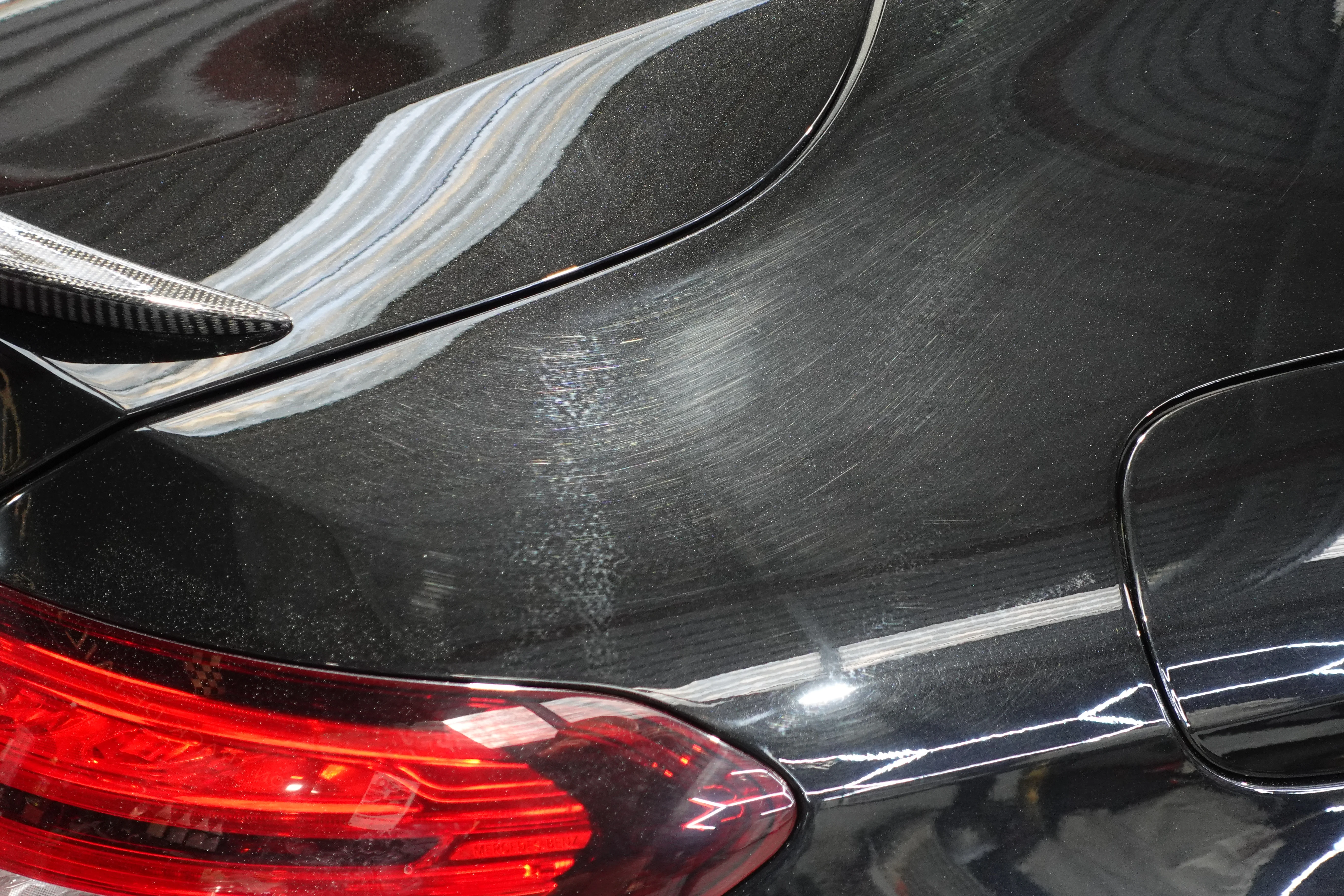
An example of typical swirl marks found on most vehicles on the road today!
These defects affect how light reflects from the surface of the paint.
A vehicle may still have good paint underneath, but imperfections scatter reflected light and make the finish appear dull, flat or hazy.
Professional machine polishing carefully refines the surface, allowing more light to reflect evenly from the paintwork. This is what creates the deeper gloss and sharper reflections associated with a properly corrected vehicle.
However, paint correction has limitations.
It cannot repair damage such as:
Deep scratches through to the metal (although it may reduce the visual impact)
Stone chips
Rust
Peeling lacquer
Dented or damaged panels
A professional assessment is important because the goal is not simply to remove defects. The goal is to achieve the best improvement while preserving as much original paint as possible.
Do White and Lighter Colour Cars Still Need a Paint Correction?
Yes! Black and darker colour vehicles are often used as example images because they most easily show the difference in before and after, but White, Grey, Silver and other Light colour cars still get swirl marks, exactly the same as darker colours, they can just be harder to see.
While the defects may be less obvious before correction, the increase in gloss, clarity and reflectivity can often be just as dramatic.
An example of a Multi Stage Paint Correction on a White Car
The Stages of Correction
One of the most common questions we receive is:
"What is the difference between the different paint correction stages?"
The answer depends on the condition of the vehicle and the level of improvement required.
Not every car needs the same approach.
A relatively new vehicle with light wash marks may only require a refinement stage, whereas an older vehicle with years of incorrect washing may require multiple cutting and polishing stages.
The correct process is always determined after inspecting the paintwork.
Frustratingly, paint correction and machine polishing do not have standardised terms. Some people refer to them as "Stage 1, Stage 2, Stage 3" corrections.
Likewise, not every detailer works to the same standards, so someone's results from a "Stage 3" may be equivalent to another persons "Stage 1" , for example!
We believe in simple, clear levels to car paint correction and detailing.
Single-Stage Enhancement
A single-stage correction is designed for vehicles where a significant improvement can be achieved through one carefully selected polishing stage.
This process combines cutting and refinement ability to improve:
Light swirl marks
Wash marring
Reduced gloss
Minor imperfections
A single-stage enhancement typically achieves around 60-70% defect removal, depending on the hardness and condition of the paint.
This option is ideal for owners who want a noticeable improvement in appearance while maintaining a focus on preserving the original finish.
It is also a popular choice for newer vehicles that simply need refinement after dealership preparation marks or light usage.
Two-Stage Correction
A two-stage correction is the most popular level of car paint correction for our customers
This process uses a dedicated cutting stage followed by a refinement stage.
The cutting stage focuses on removing the majority of defects, while the refinement stage restores clarity, gloss and depth to the finish.
A two-stage correction is suitable for vehicles with:
Moderate swirl marks
Heavier wash damage
Multiple paint defects
Reduced clarity
Typically achieving around 85% defect removal, this stage provides a significant transformation without unnecessary paint removal, and can be done multiple times over a vehicles life.
For many enthusiast vehicles and daily drivers, this represents the ideal balance between correction, finish quality and paint preservation.
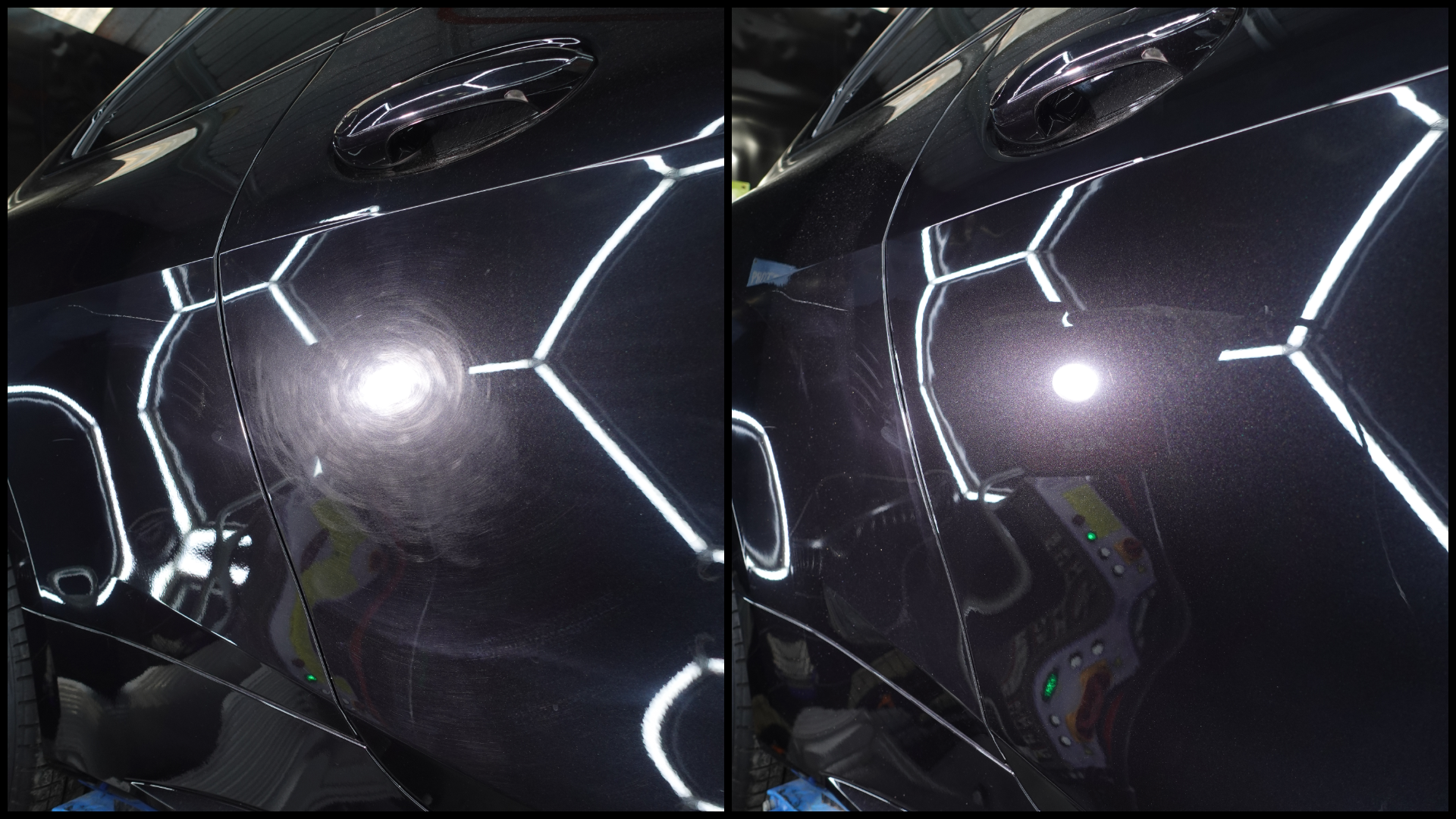
A typical "BEFORE" image of a car needing a paint correction
The "AFTER" - A 2 stage paint correction was done here (Cut and refinement) - We also will polish the lights.
Multi-Stage Correction and Wet Sanding
For vehicles requiring the highest possible finish, multi-stage correction involves multiple cutting and refinement stages.
This approach is often selected for:
Performance vehicles
Collector cars
Heavily marked paintwork
Vehicles where achieving the best possible finish is the priority
Through multiple stages of machine polishing, it is possible to achieve 98%+ defect removal where the paint condition safely allows.
Some defects require an additional approach.
Wet sanding is an advanced technique used to carefully level specific imperfections before machine polishing. This may include:
Excessive orange peel
Certain sanding marks
Deeper isolated defects
Uneven paint texture
Wet sanding requires experience, specialist knowledge and careful measurement because it involves more aggressive correction than standard machine polishing.
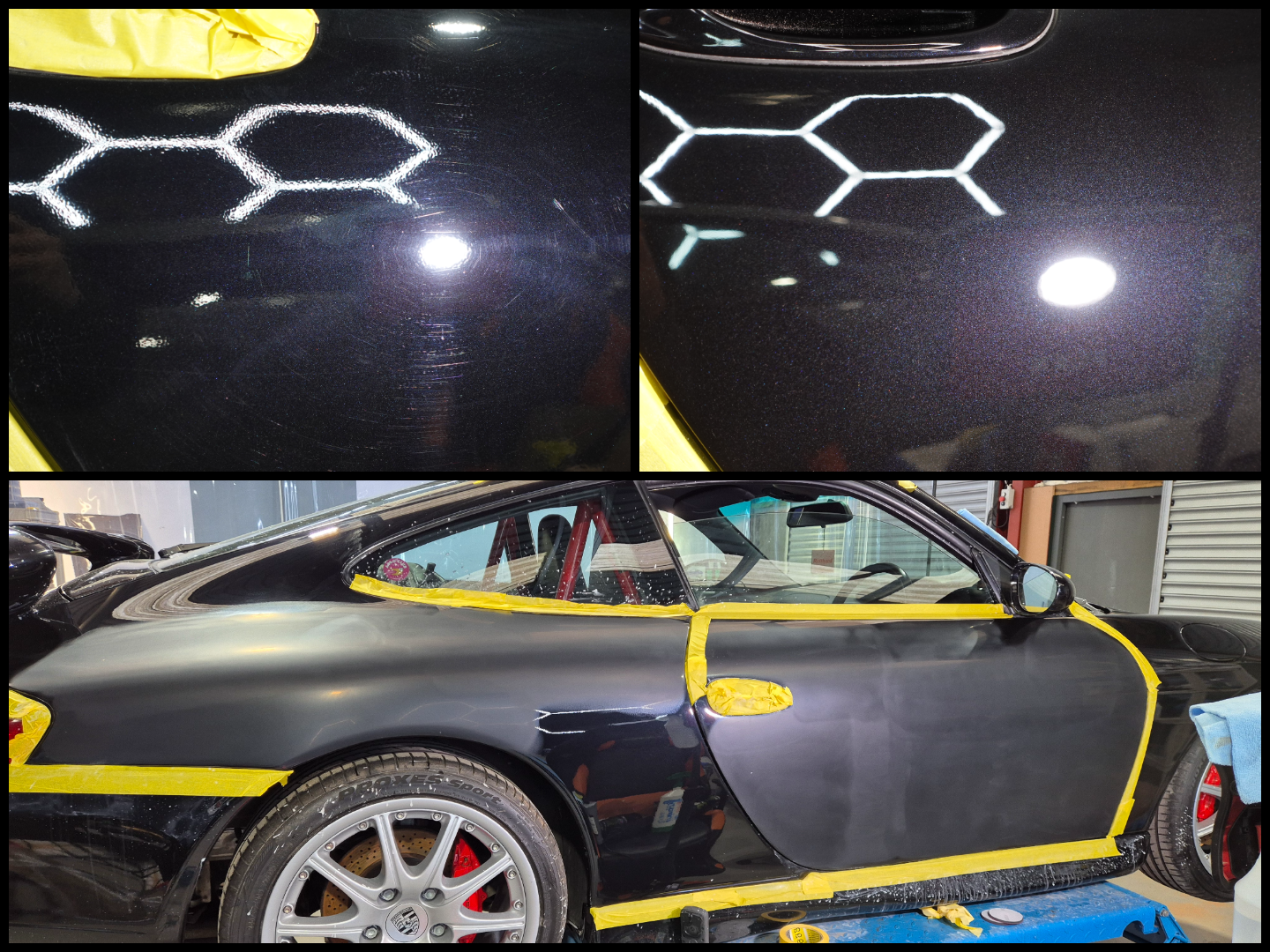
An example of Wet Sanding and Advanced Multi-Stage paint correction
Paint Correction vs "A Polish" at a Car Wash
A common misconception is that paint correction is the same as having your car polished at the local hand car wash for £50.
They are very different processes.
A typical car wash "polish" or machine polish service is often focused on improving appearance quickly. Many products contain fillers or oils that temporarily improve the finish by masking imperfections.
Professional paint correction is different. It is a labour-intensive process that focuses on permanently improving the paintwork rather than temporarily masking imperfections.
It involves:
Detailed paint inspection
Proper preparation
Specialist machine polishing
Multiple product and pad combinations
Controlled defect removal
Final refinement
The difference is not just the equipment used. It is the approach.
Paint correction is a controlled process designed to improve the actual condition of the paintwork, rather than temporarily hiding defects.
Why Correction Should Come Before Any Coating
Paint correction and ceramic coating work together.
A ceramic coating adds protection, gloss and easier maintenance, but it does not remove defects from the paint underneath.
If swirl marks, scratches and contamination are present before coating, those imperfections will remain visible beneath the coating.
This is why paint correction should always be completed first.
Once the paintwork has been corrected and refined, it creates the ideal surface for ceramic coating application.
At On Track Detailing, all paint correction packages include a professional 3-year ceramic coating, protecting the freshly corrected finish and helping maintain the results for longer.
For more information about protection options, see our dedicated ceramic coating service page.
Real Examples From Our Workshop
Every vehicle presents different challenges.
Some cars arrive with light swirl marks caused by poor washing techniques, while others require significant correction due to years of neglect or previous preparation work.
Examples of vehicles that benefit from paint correction include:
Performance Vehicles
High-performance cars often receive careful ownership, but even enthusiast-maintained vehicles can develop wash marks and surface imperfections.
Paint correction restores the sharp reflections and depth expected from these vehicles.
Example of a paint correction on a lighter colour "Brooklyn Grey" BMW M3 G80
Dark-Coloured Vehicles
Black and darker paint colours are particularly revealing.
Swirl marks and fine scratches are much easier to see, especially under direct sunlight or specialist inspection lighting.
A carefully completed correction process can make a dramatic difference.
A real world example of a 2 stage paint correction on a Range Rover.
New Vehicles
New cars are not always perfect.
Dealership preparation, transport and storage can introduce defects before the vehicle reaches its owner.
A professional inspection can identify whether correction is required before applying long-term protection.
An example, this BMW was brand new with less than 70 miles on the clock and this damage was already present, which came out with a single stage machine polish.
Frequently Asked Questions
What is paint correction?
Paint correction is the process of using specialist machine polishing techniques to remove or reduce imperfections in a vehicle’s paintwork, restoring gloss, clarity and depth.
How long does paint correction take?
The time required depends on the condition of the vehicle and the level of correction required.
A single-stage correction may take around 2-3 days, while more advanced multi-stage corrections can take several days due to the additional preparation, polishing and refinement required.
Does paint correction remove scratches?
Paint correction can remove many light scratches and surface defects within the clear coat.
Deeper scratches may only be reduced depending on their depth and the available paint thickness.
What is the difference between single-stage and multi-stage correction?
Single-stage correction uses one polishing stage and is designed to improve lighter defects.
Multi-stage correction uses multiple cutting and refinement stages to achieve a higher level of defect removal and finish quality.
Does paint correction damage paint?
When completed correctly by an experienced professional, paint correction is a safe process.
The aim is to achieve the best possible result while preserving as much original paint as possible.
Professional Paint Correction Services in Berkshire
Paint correction is one of the most effective ways to restore the appearance of your vehicle’s paintwork.
Whether your car needs a single-stage enhancement, a two-stage correction or a full multi-stage process, the correct approach depends on the condition of the vehicle and the results you want to achieve.
At On Track Detailing, we combine professional equipment, specialist knowledge and a controlled studio environment alongside over 20 years of hands on experience to deliver consistent results for customers across Reading, Wokingham, Berkshire, Hampshire and surrounding areas.
If you are considering car paint correction, our team offers free inspection your vehicle and recommend the most suitable option based on your needs and budget.
Interested in Paint Correction for your car?
View our Paint Correction packages, pricing and the results you can expect.


.svg)